

Why Heart Rate Variability Matters in Cancer Recovery

HRV Data Insights Can Help:
Increase exercise tolerance
Decrease cancer related fatigue
Reduce cardiovascular risk
Heart Rate Variability (HRV): a Cutting-Edge Biomarker in Exercise & Recovery
Here at the cancer physio our core values include science and care. Being grounded in science means following the research as it unravels. At TCP, we use biometrical data such as blood pressure, recovery rate, heart rate response to exercise and heart rate variability (HRV) to measure your physical health. Heart rate variability, a vital marker reflecting your nervous system’s yin yang is gaining a lot of traction, and for good reason!
HRV measures the variation in time between consecutive heartbeats and reflects the autonomic nervous system (ANS) balance — that is, the balance of sympathetic “fight-or-flight” and parasympathetic “rest-and-digest” activity. In recent years, HRV has gained credibility as both a research tool and practical biomarker for health, exercise adaptation, disease risk, and fatigue management. Think of HRV like the toggle switch between doing and being; going fast or slow.
HRV Explained Further:
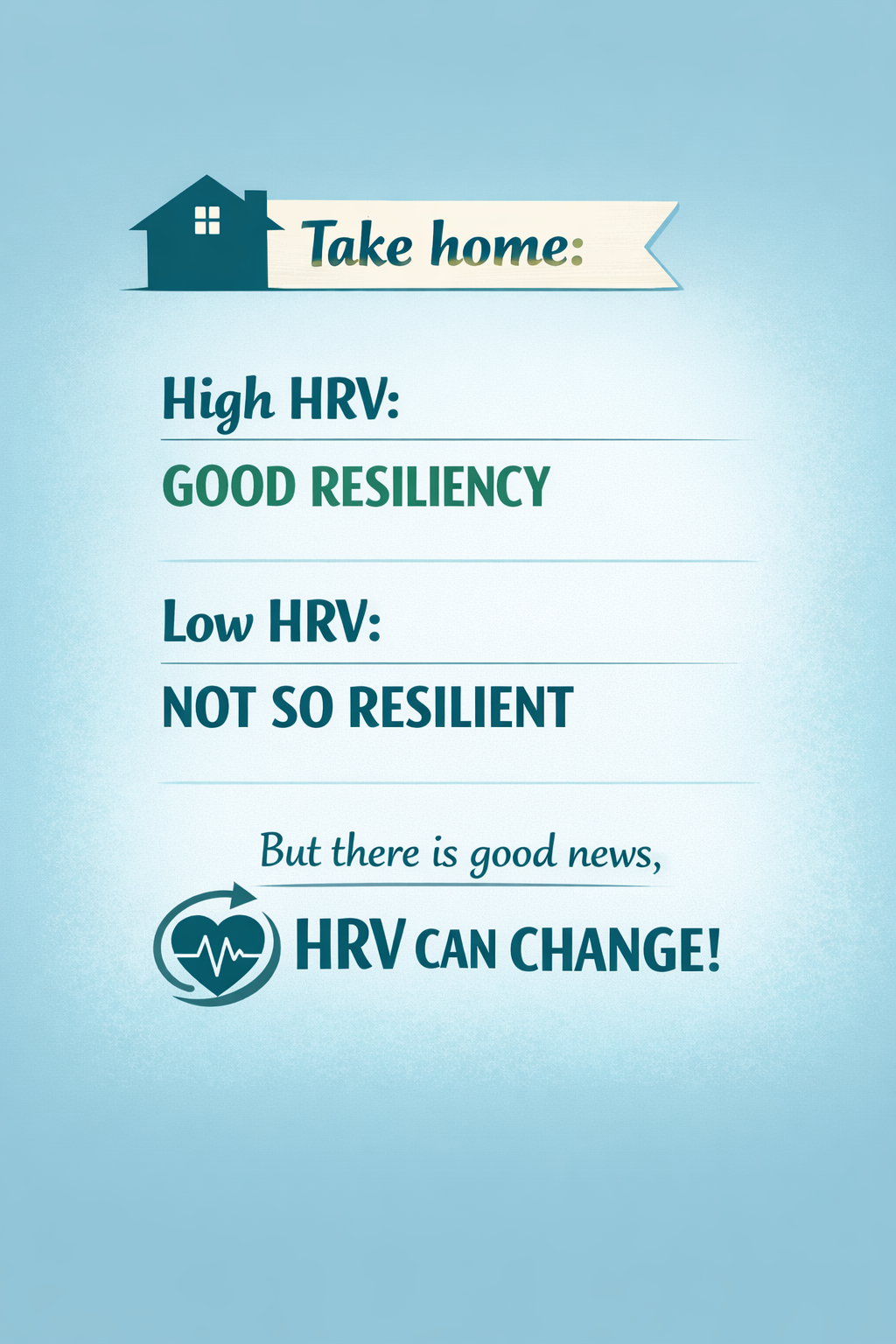
HRV isn’t a single number; it’s a set of metrics. The science uses time, frequency and nonlinear analyses to derive a value. Higher HRV typically reflects strong parasympathetic influence and physiological adaptability. In less complicated words, high HRV amounts to less stress and better stress resiliency. A higher HRV represents an ability to respond to triggers/stress with an ability to self-regulate.
Lower HRV suggests sympathetic dominance or autonomic dysfunction. Low HRV means less resiliency to stressors and therefor one is more often in a state of stress. A low HRV can indicate that the body is in a heightened state of stress, fatigue, or physiological strain, recovering poorly.
Exercise can Improve HRV :)
A 2024 recent meta-analyses show that exercise training enhances key HRV parameters linked to vagal (parasympathetic) activity — compared to no-exercise controls. This indicates regular training can create more resiliency in the nervous system.
However exercise type matters in HRV adaptation.
Meta-analysis evidence suggests high-intensity interval training (HIIT) may yield some of the most robust increases while other modalities (e.g., combined aerobic + resistance training) influence different HRV features.
HRV, HIIT Training & Cancer
Within the 5 phases of cancer rehab, the treatment phase is about energy management; taking it day by day. Chemotherapy can cause cell die off known as NADIR, leading to cancer related fatigue and/or have cardio-toxic impact. Radiation can also exacerbate fatigue or impact heart health. Cancer treatments may therefor lead to poor exercise tolerance, especially at higher intensities, it is important to consider the safe exercise guidelines. HRV adaptations are phase dependent, and at times while in treatment we may not see any improvement in HRV. Unfortunately, it is possible that HRV may worsen when undergoing chemo or radiation.
The Recovery Phase + Onwards may Involve HRV Improvement!
Patients entering the recovery phase often hear my analogy of a bank account. After many withdrawals (chemo, surgery, radiation, hormone therapy etc.) you are about to start depositing again. A safe and slow graded return to exercise, increasing load and intensity over time, can act like many small deposits, raising the account balance steadily over time!
HIIT training can be a powerful exercise as medicine tool. However, a graded return to higher intensity over time along with no evidence of push crash cycling must occur first. HIIT (high intensity interval training) involves working for short periods of time 15-60 seconds, followed by a brief rest 15-90 seconds for any where from 7-30 minutes total. In the working intervals, the idea is that you are working at a 7-9/10 meaning it’s HARD, using the talk test would reveal that talking is very difficult. 7-9/10 intensity involves not maintaining that effort for long. During higher intensity exercise— HRV metrics typically decrease due to sympathetic activation, then rebound as recovery progresses. Long-term training yields baseline autonomic improvements (higher resting HRV) over weeks to months.
As tolerance to HIIT training can be difficult, personalized rehab is still the answer.
HRV & Fatigue: Tracking Recovery and Overload
HRV changes during and after exercise provide insight into fatigue and recovery, as autonomic adjustments mirror metabolic and neuromuscular load. Although much of the clinical work predates 2020, HRV remains one of the most objective markers of chronic fatigue severity, reflecting ANS imbalance in conditions such as Chronic Fatigue Syndrome.
Here at the TCP we emphasize personalized medicine, and the emerging literature on HRV confirms yet again how important it is that exercise is personalized. Push crash experiences are very common amongst my patients and very costly within a cancer journey. Sometimes higher intensity exercise or cold plunging can make HRV worse over time, meaning we need to take it all down a notch.
HRV can provide us insight into how much push is happening, and how we might create more balance in the nervous system. Young science is emerging; studies are beginning to test HRV-guided exercise prescriptions, which dynamically adjust training based on autonomic recovery signals — a promising personalized approach for optimizing health.
HRV Impacts Disease Prevention: Cardiovascular Risk and More…
Higher HRV is linked to lower risk of adverse cardiovascular events and mortality. Clinically, HRV has been explored as a non-invasive risk indicator in conditions like heart failure and acute myocardial infarction.
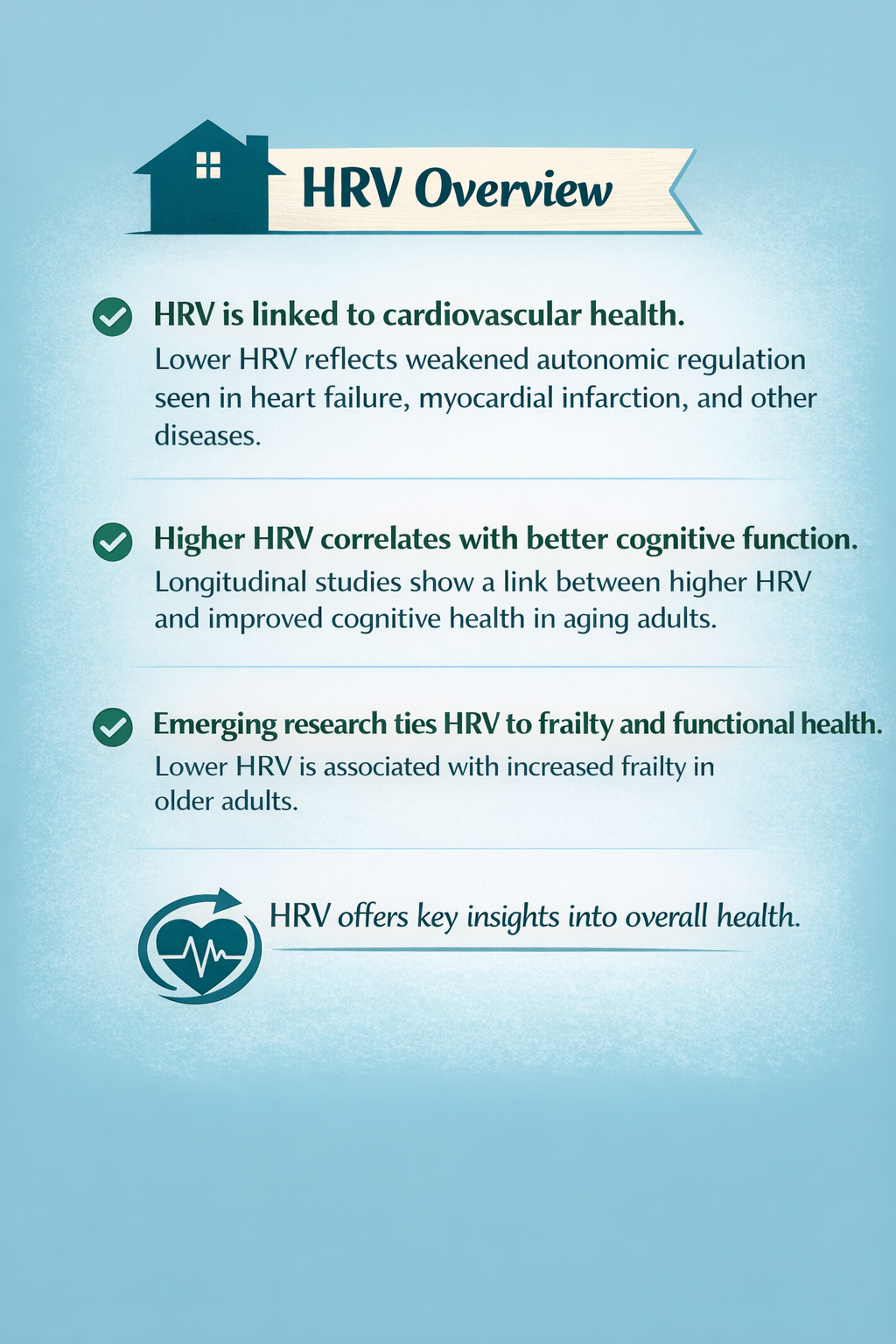
Recent research confirms that diseases — including COVID-19 and its cardiovascular sequelae — are associated with altered autonomic regulation reflected in HRV metrics. This suggests HRV may help understand how disease impacts the autonomic nervous system balance over time.
How to Measure HRV with Wearables
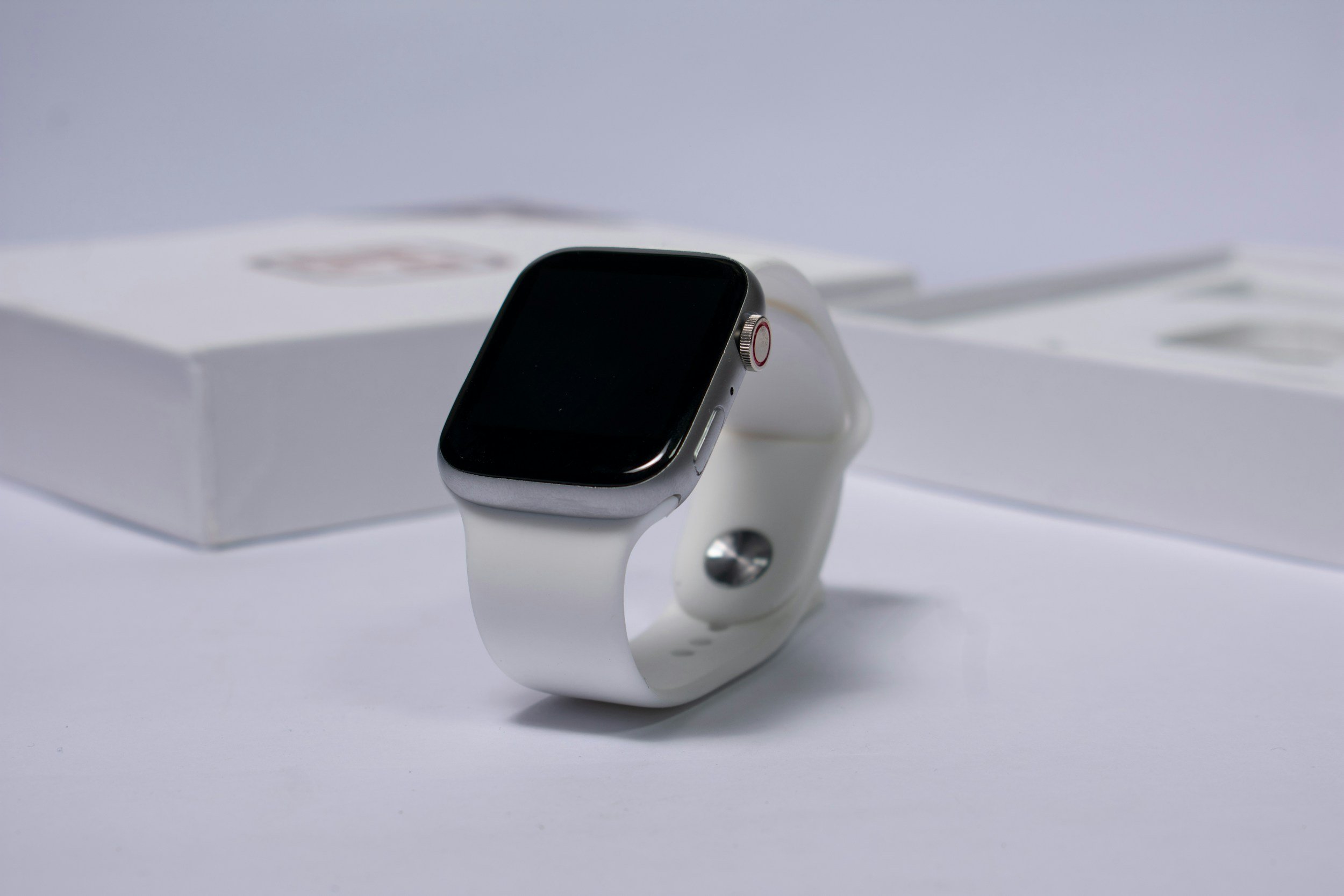
The rise of wearable technologies now allows near-continuous HRV collection, making fatigue tracking more feasible than ever — albeit with attention to device reliability. As this is a young science, your simple garmin, apple watch and fitbit are still evolving. But it’s a start!
How to Integrate HRV Training
Use HRV trends (not single values) to guide day-to-day training intensity.
Consider HIIT training if you have a baseline fitness and aren’t experiencing push crash
Consider cold plunging as a substitute for HIIT
Expect short-term HRV dips with intense workouts; or cold plunging, look for recovery rebounds as training adaptation over time!
HRV data should complement — not replace — other health assessments, hence a TCP Cancer Initial Assessment may be helpful.
Limitations & Future Directions
While HRV is a powerful marker, standardizing measurement methods and interpreting metrics across all the many devices of today definitely remains an ongoing challenge in research/practice. Additionally, more large-scale, randomized trials are needed to confirm how precisely HRV-guided training and clinical monitoring improve long-term outcomes.
Never the less, science is exciting, and here at TCP we love using new biometrics to helps us personalized your exercise and rehab. If you have an HRV component to your smart watch, consider using it. More so, bring that wearable to your next cancer physio appointment and together we will start incorporating HRV data into your rehab plan.
Thank you for your interest in science and rehab.
Kindly, The Cancer Physio

References
Amekran Y, El Hangouche AJ. Meta-analysis of exercise training on HRV in healthy adults. Cureus 2024.
Zhang W, Bi S, Luo L. Long-term exercise intervention meta-analysis on HRV. Front Cardiovasc Med 2025.
Gruionu G et al. HRV and autonomic dysfunction in COVID-19 patients. Scient Rep 2024.
Nicolini P et al. HRV’s longitudinal relationship with cognition. J Clin Med 2024.
S Liu et al. HRV as predictor of cardiovascular risk (meta-analysis context). PMC article 2025.
Alvurdu S. Narrative review on HRV for fatigue monitoring in athletes. J ROL Sport Sci 2025.
Holmes CJ et al. HRV changes with resistance exercise and fatigue. J Exerc Physiol Online 2020.
