

Managing Cancer-related Lymphedema with Exercise

Early Recognition + Proactive Care
=
Management + Prevention
What Is Cancer-Related Lymphedema?
Cancer-related lymphedema is a long-term swelling condition caused by damage to the lymphatic system. This may be due to lymph node removal from surgeries such as lumpectomies, mastectomies or lymph node biopsies. Furthermore, radiation therapy may increase the risk of developing lymphedema, making it harder for lymph fluid to drain, leading to fluid build-up in the arms, legs, chest, or trunk.
Common symptoms include:
Swelling or puffiness
Feelings of heaviness or tightness
Reduced flexibility
Aching or discomfort
Changes in skin thickness or texture
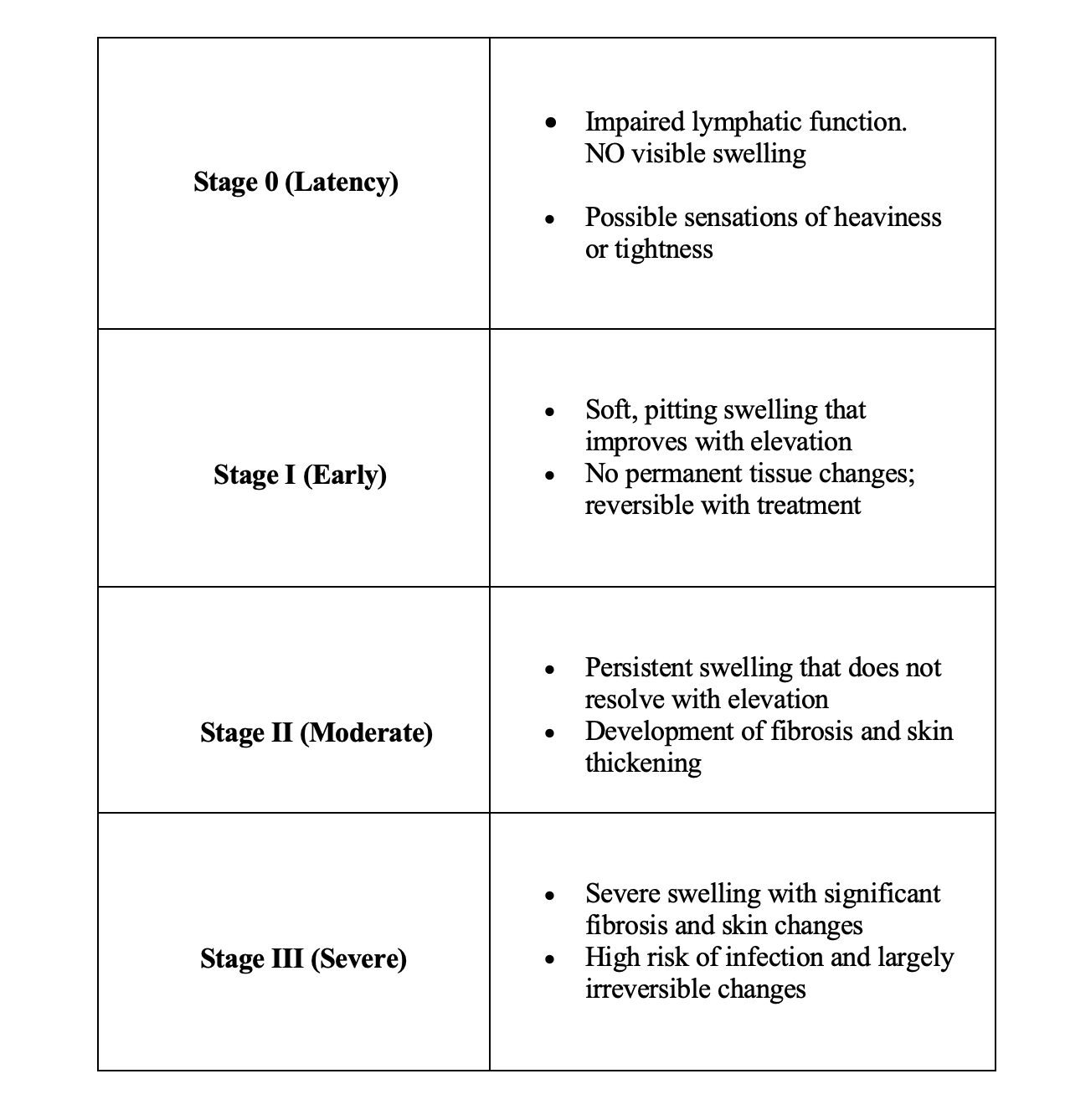
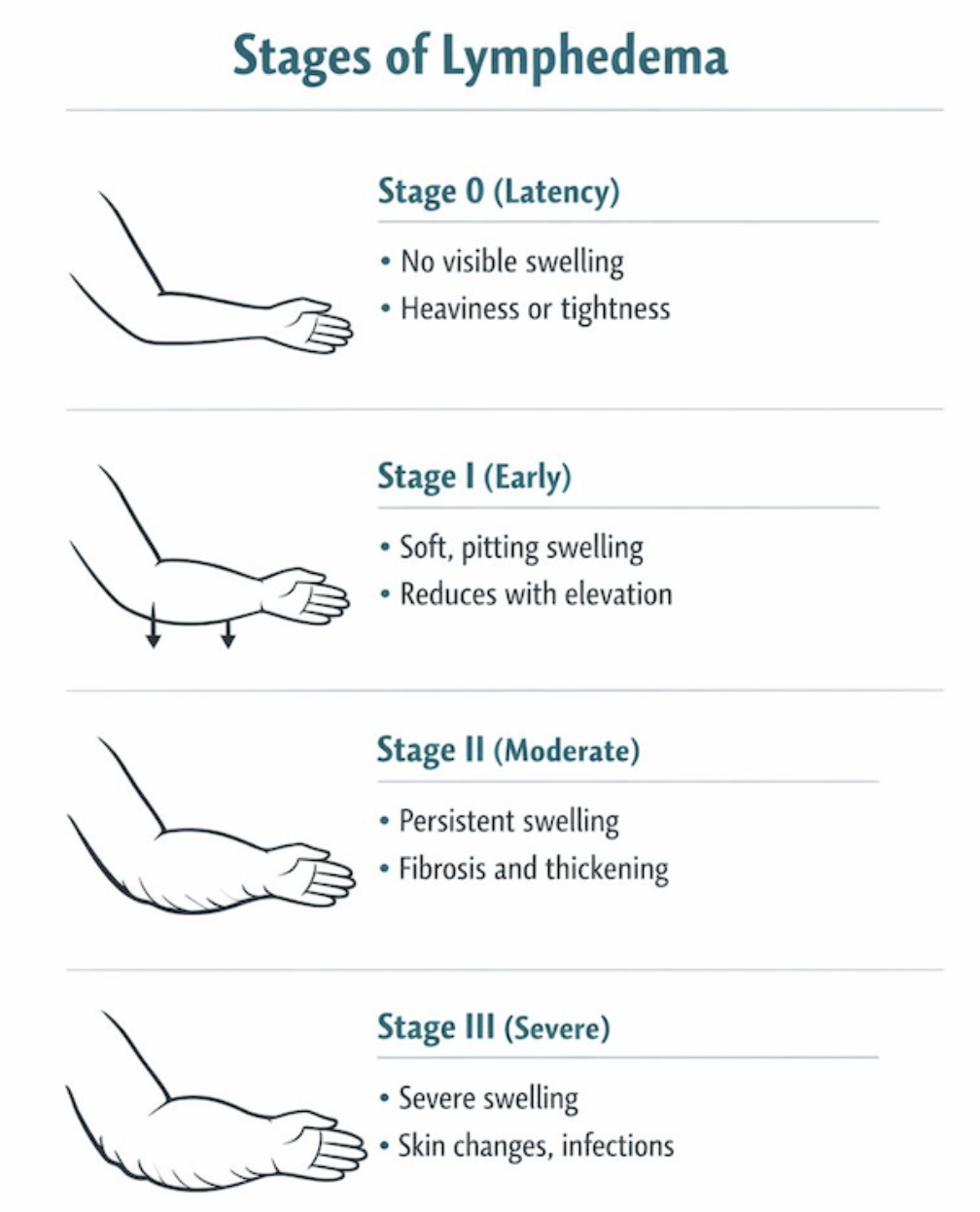
Early recognition and proactive care are key to preventing progression.
Research consistently shows that lymphedema can be safely and effectively managed with exercise and self-care strategies (International Society of Lymphology, 2020).
Why Exercise Is One of the Most Effective Tools for Lymphedema Management
Modern research has transformed how clinicians approach lymphedema and movement. Studies now show that exercise does not worsen lymphedema—in fact, it improves symptoms, strength, and quality of life; especially when exercise is done safely.
1. Exercise Helps Move Lymph Fluid
Muscle contractions act like a pump, encouraging lymph fluid to move toward central drainage pathways.
Progressive resistance training aids lymph flow and does not increase flare-ups (Schmitz et al., NEJM, 2009; updated consensus ONS 2020).
2. Improves Flexibility and Range of Motion
Gentle stretching reduces tightness and restores mobility. This can help where there is scarring or fibrosis; mobilizing lymph that is congested.
3. Supports Healthy Body Weight
Weight management is strongly linked to reduced lymphedema risk.
High BMI is a known risk factor for lymphedema development and progression (Fu et al., Cancer, 2015).

4. Reduces Stress and Improves Mood.
Chronic stress can worsen symptom perception. Physical activity supports emotional well-being and reduces cancer related fatigue (ACSM Exercise Guidelines for Cancer Survivors, 2019).
What are the Best Exercises for Managing Lymphedema
A complete lymphedema-safe exercise plan includes starting slow and building up. It should include breathing, stretching, strength training, and aerobic activity.
1. Deep Diaphragmatic Breathing
How to do it:
Inhale for 4 seconds → hold 2 → exhale 6–8 seconds. Repeat 5 times. If feeling really stressed, simply focus on the exhale being longer than the inhale; counting isn’t so important 😊. I speak to breath work a lot in my cancer and cold plunging blog.

Breathing is the foundation of many lymphatic routines because it:
Stimulates the thoracic duct
Lowers stress hormones
Helps prepare tissues for movement
2. Gentle Range of Motion
These movements maintain flexibility and reduce post-treatment stiffness.
Examples:
Arm circles
Wrist and ankle rolls
Shoulder shrugs
Gentle neck rotations
Marching in place
3. Strength Training (Yes, It’s Safe!)
The outdated advice to “avoid lifting” has been replaced by strong evidence. Progressive resistance training is safe and beneficial for people with or at risk for lymphedema.
Start with going low and slow:
Light dumbbells (0.5–1 kg)
Resistance bands
Body-weight movements like wall push-ups or sit-to-stands
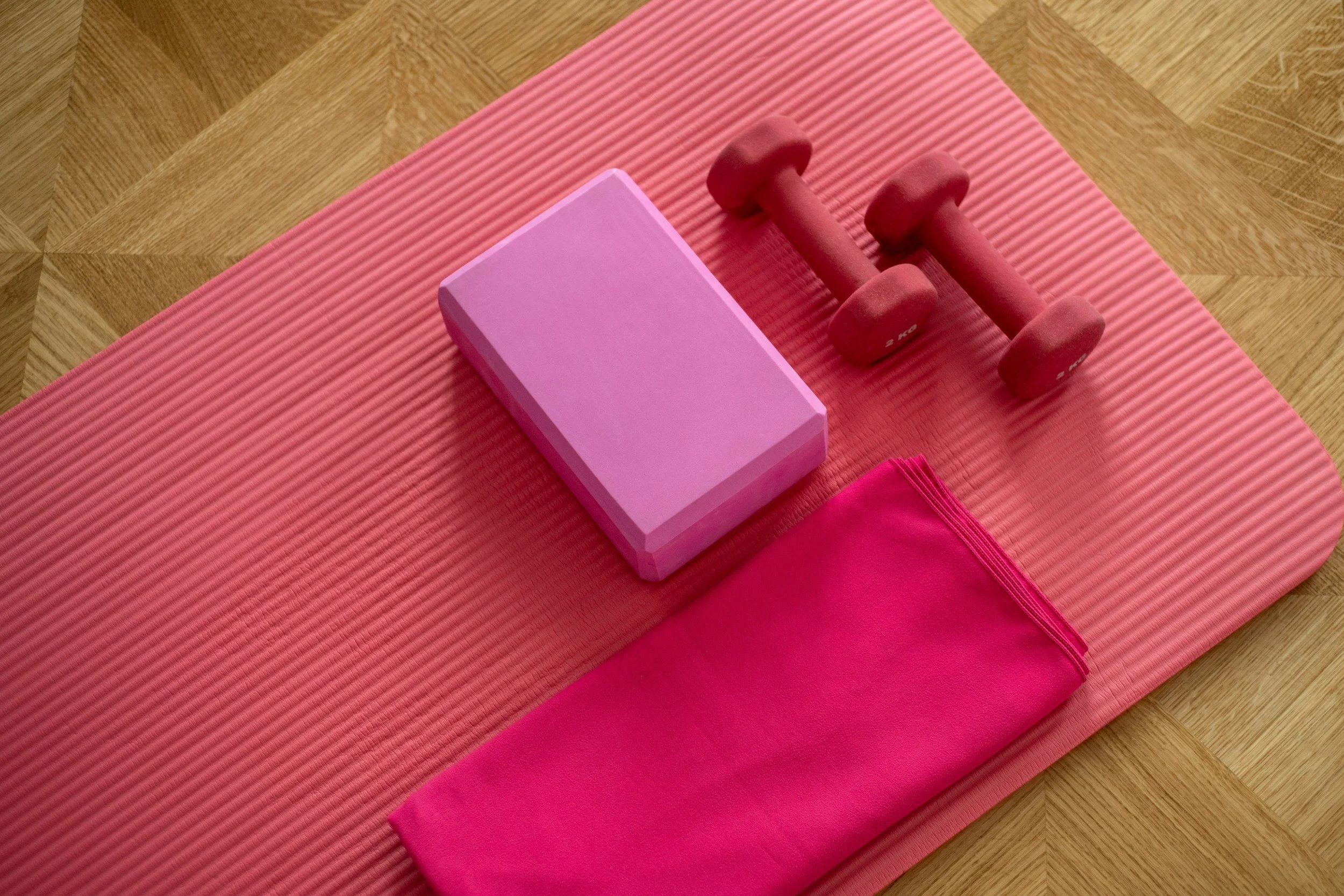
Increase slowly over time. Resistance training reduces lymphedema flare-ups and improves strength (Schmitz et al., NEJM, 2009; Cormie et al., Lancet Oncology, 2017).
4. Low-Impact Aerobic Exercise
Aerobic activity helps move lymph and improves overall fitness. Start low and slow, beginning with light intensity.
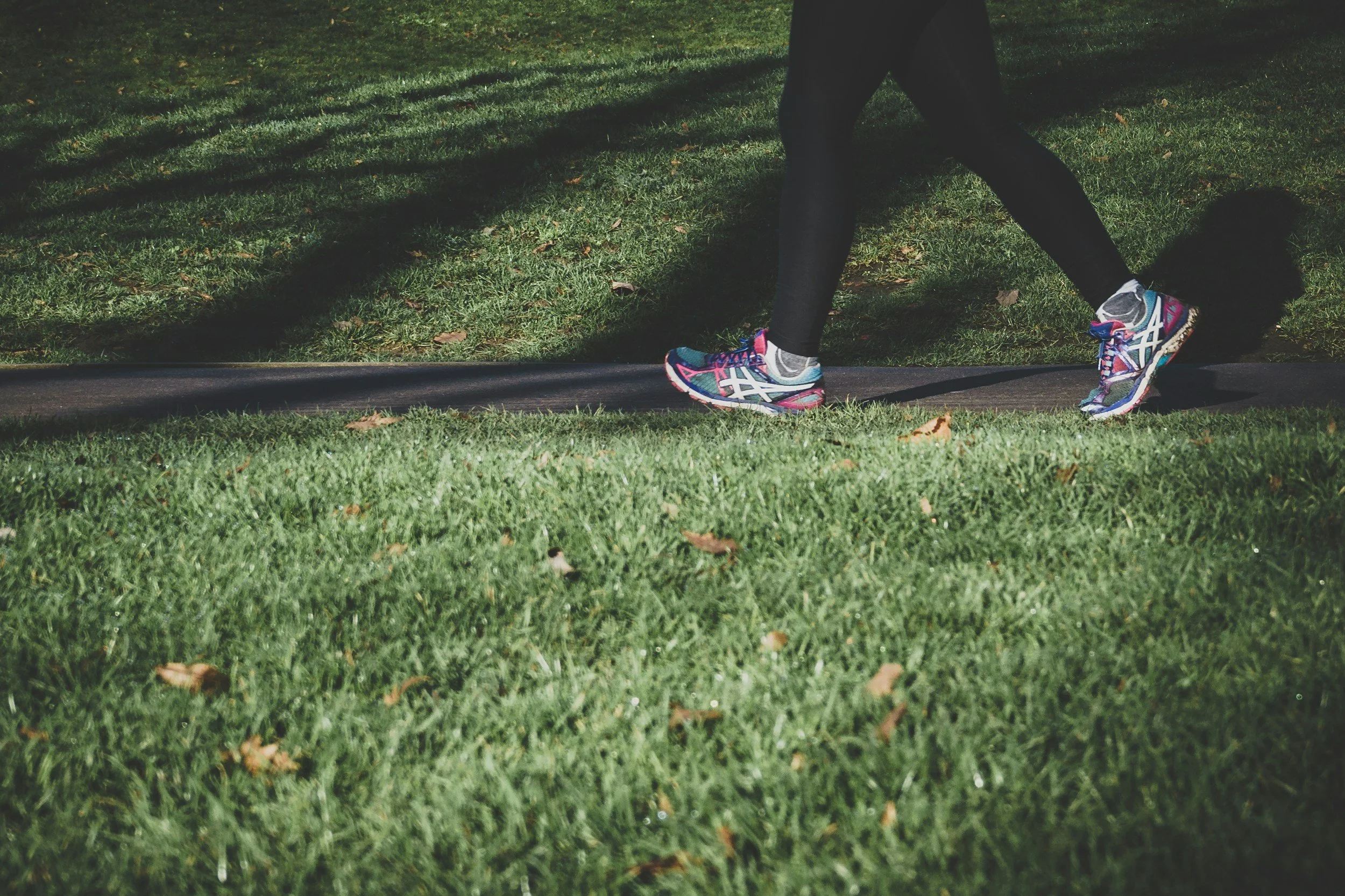
Great options:
Walking
Swimming or water walking
Cycling
Elliptical machines
Gentle dance or movement sessions
Compression Therapy and Exercise: A Powerful Combination
Wearing compression garments during exercise can:
Support lymphatic return
Reduce post-exercise swelling
Improve comfort during movement
Always use a properly fitted garment from a certified fitter or lymphedema therapist, see the provider network section of the website.
More Tools to Support Lymphedema Care
✔ Manual Lymphatic Drainage (MLD)
A gentle massage technique taught by certified therapists or self-massage into the available ducts helps stimulate lymph flow and reduce swelling.
✔ Symptom Tracking
Daily monitoring helps catch small changes before they progress.
Track:
Swelling and/or tightness
Clothing and jewelry fit
Pain
Activity levels

✔ Skin Care & Cellulitis Prevention
Healthy skin helps avoid infections that can worsen swelling.
Moisturize daily
Treat cuts promptly
Avoid burns (sun, heat)
Prevent insect bites
Evidence: Proper skin care reduces cellulitis risk in lymphedema patients (Ko et al., JAMA Dermatology, 2018).
Take Home Message
Managing cancer-related lymphedema is about gentle consistency and empowerment—not perfection. Current evidence shows that exercise, compression, and self-care routines dramatically improve symptoms and help maintain long-term lymphatic health.
Lean on your care team, move at your own pace, and trust that every small step supports your well-being.
Thank you for your interest in science and rehab.
Kindly, The Cancer Physio
Resources

